Installing Perimeter Fencing on Uneven Terrain
If you live in the Garden State, you already know that perfectly flat yards are a rare luxury. Many homeowners are faced with rolling hills, sudden dips, and rocky slopes that can make landscaping a challenge. When it comes time to enclose your property for privacy or safety, installing a perimeter fence on uneven ground requires careful planning and skilled execution. At Lambros Contracting, based right here in Lafayette, we often help families navigate these tricky landscapes to build fences that are both beautiful and structurally sound.
Fencing on a slope isn't just about sticking posts in the ground; it's about understanding water runoff, soil stability, and the visual flow of your yard. Whether you are looking to keep pets safe, increase your home's privacy, or simply define your property lines, tackling uneven terrain means making a few crucial design decisions right from the start.
Stepped vs. Racked Fence Installation
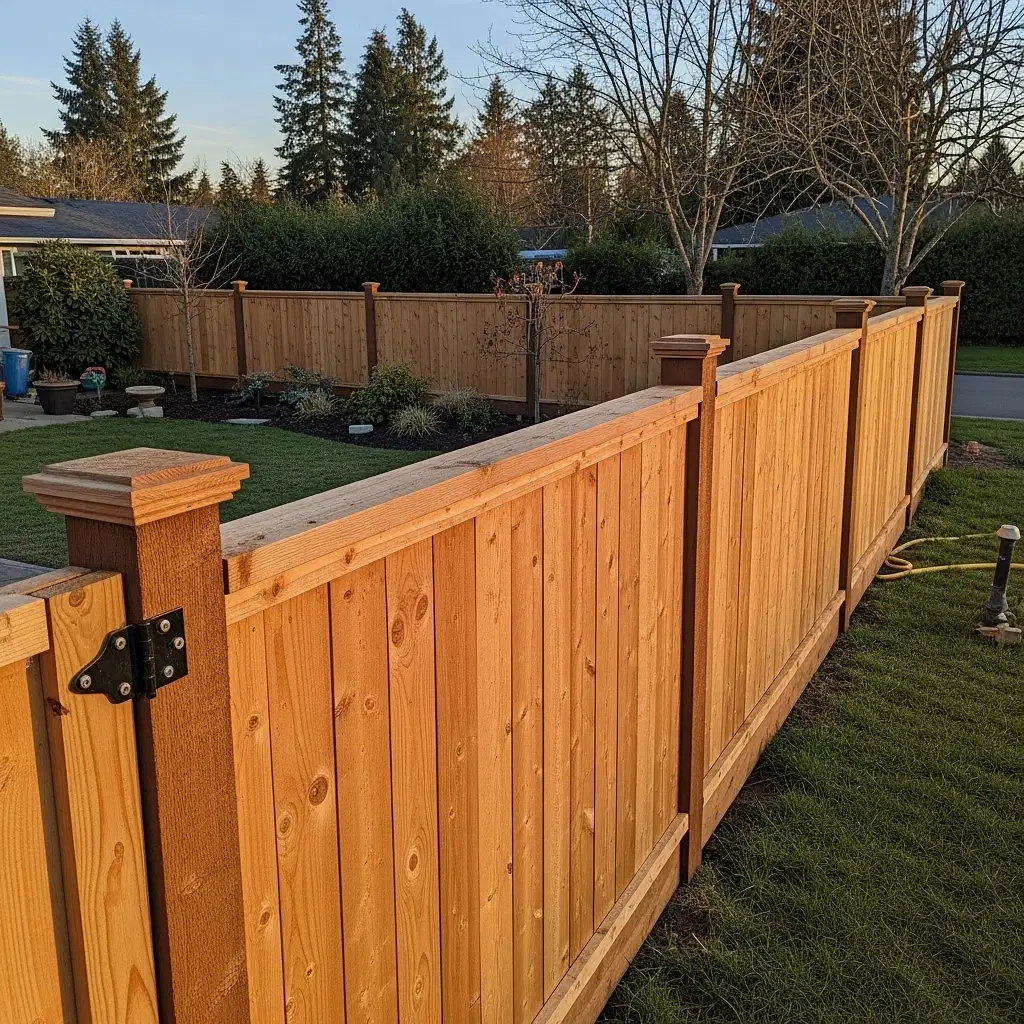
When dealing with sloped yards, you generally have two main installation methods to choose from: stepped or racked fencing. Understanding the difference between a stepped vs racked fence installation is the first step in planning your project.
A stepped fence does exactly what it sounds like. The fence panels themselves remain perfectly level, but each successive panel is installed slightly lower (or higher) than the one before it, creating a stair-step effect. This method is often preferred for very steep inclines and is typically used with rigid panels. However, because the panels step down, this method leaves triangular gaps beneath the fence, which might require additional landscaping or custom carpentry work if you're trying to keep small pets contained.
A racked fence (sometimes called a contoured fence) follows the natural slope of your yard. The horizontal rails run parallel to the ground, while the vertical pickets remain pointing straight up. This eliminates the gaps under the fence, creating a smooth, continuous line that blends beautifully with rolling landscapes. Racking is usually the preferred method for gentle to moderate slopes, though it requires precise measurements and adaptable materials.
Navigating Rocky Soil and Material Choices
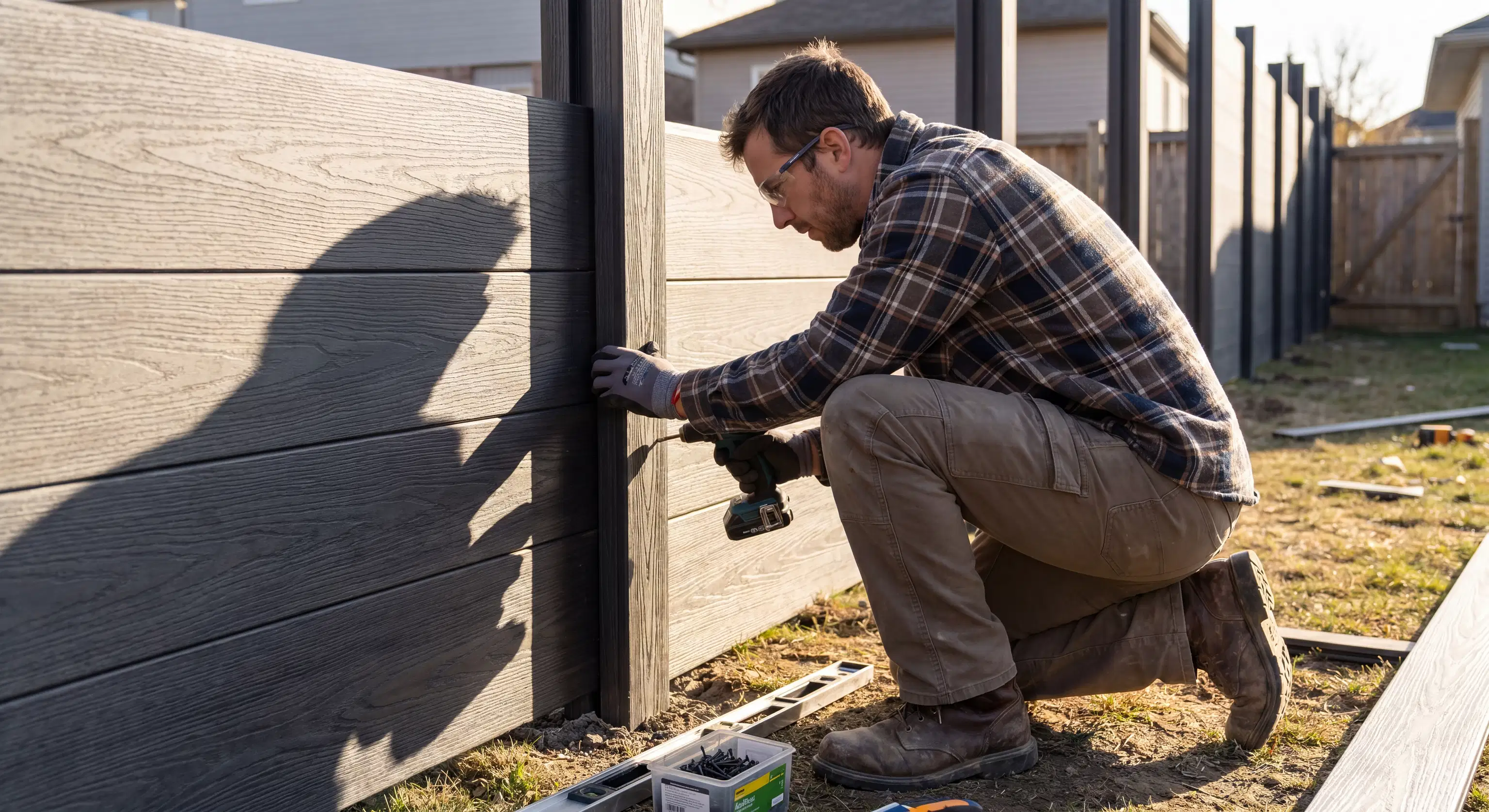
One of the biggest hurdles when building in our area is figuring out how to secure fence posts in rocky soil. Hitting a massive rock two feet down can easily derail a weekend DIY project. A professional general contractor will typically use specialized equipment like heavy-duty augers or digging bars to break through the tough spots. In some cases, we widen the post hole and use a specialized concrete mix to anchor the post securely, ensuring that frost heave during our harsh winters won't push the fence out of alignment.
Beyond the digging, choosing durable wood vs vinyl fencing is a conversation we have with almost every client. Wood offers a classic, natural aesthetic that can be custom-cut to accommodate complicated slopes and tricky angles. It provides excellent flexibility for racked installations. Vinyl, on the other hand, is incredibly low maintenance and resists the moisture issues that can plague fences near the coastline or in heavily wooded areas. However, vinyl panels are generally rigid, meaning they often need to be stepped rather than racked unless specifically manufactured for sloped installation.
The Value of Professional Installation
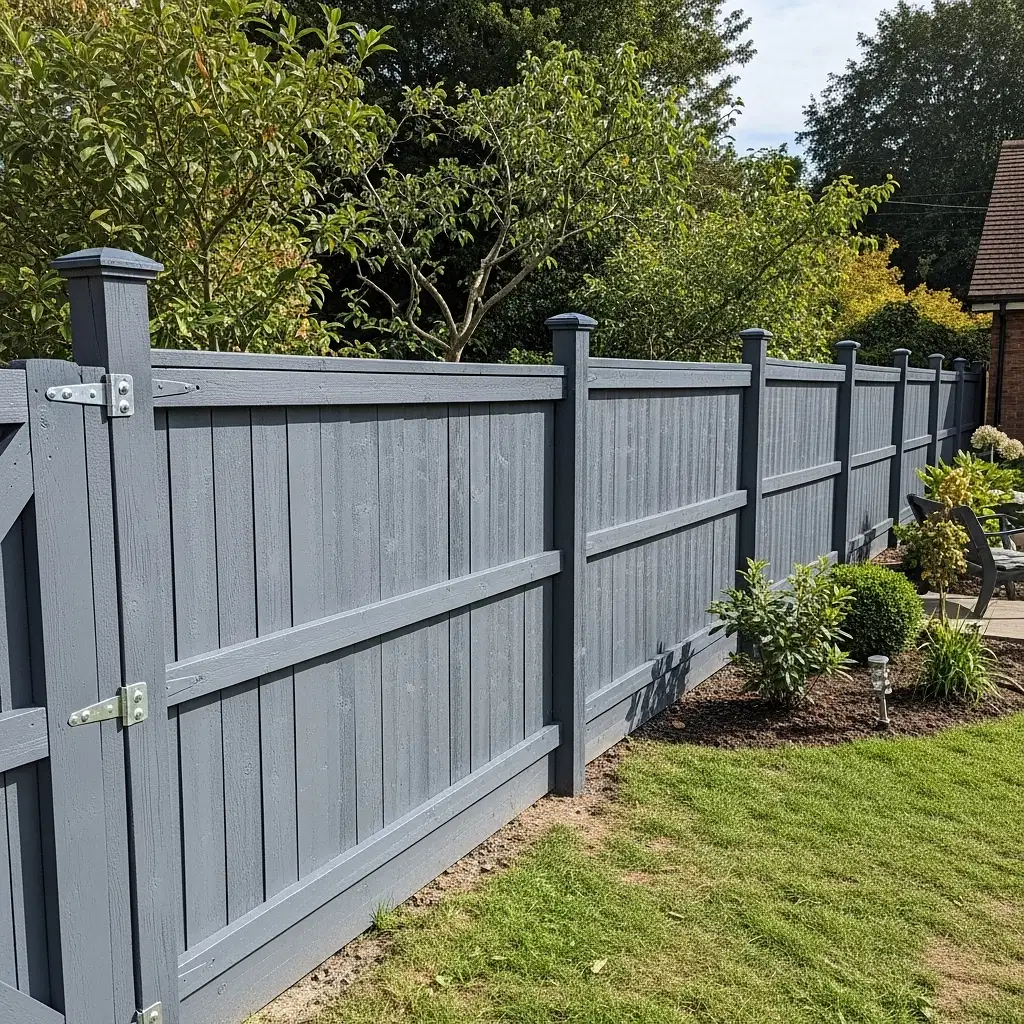
Many homeowners initially worry about general contractor cost when planning a home improvement project. However, partnering with an experienced home remodeling general contractor often saves money in the long run. Professional crews understand how to accurately estimate materials, minimizing waste and avoiding the supply chain disruptions that can leave your yard torn up for weeks.
Furthermore, navigating local building codes and property line setbacks can be a headache. A licensed general contractor nj handles the permitting process, ensuring your new fence complies with all local regulations and avoiding costly fines or forced tear-downs. We prioritize transparent pricing and clear communication so you know exactly what to expect from day one.
If you're ready to secure your property and enhance your home's curb appeal, don't let a challenging landscape hold you back. The team at Lambros Contracting has the expertise to handle tough soil, steep slopes, and everything in between. Check out our Fencing & Fence Repair services to learn more, or head over to our Contact Us page to schedule a consultation. Let's build something beautiful together.